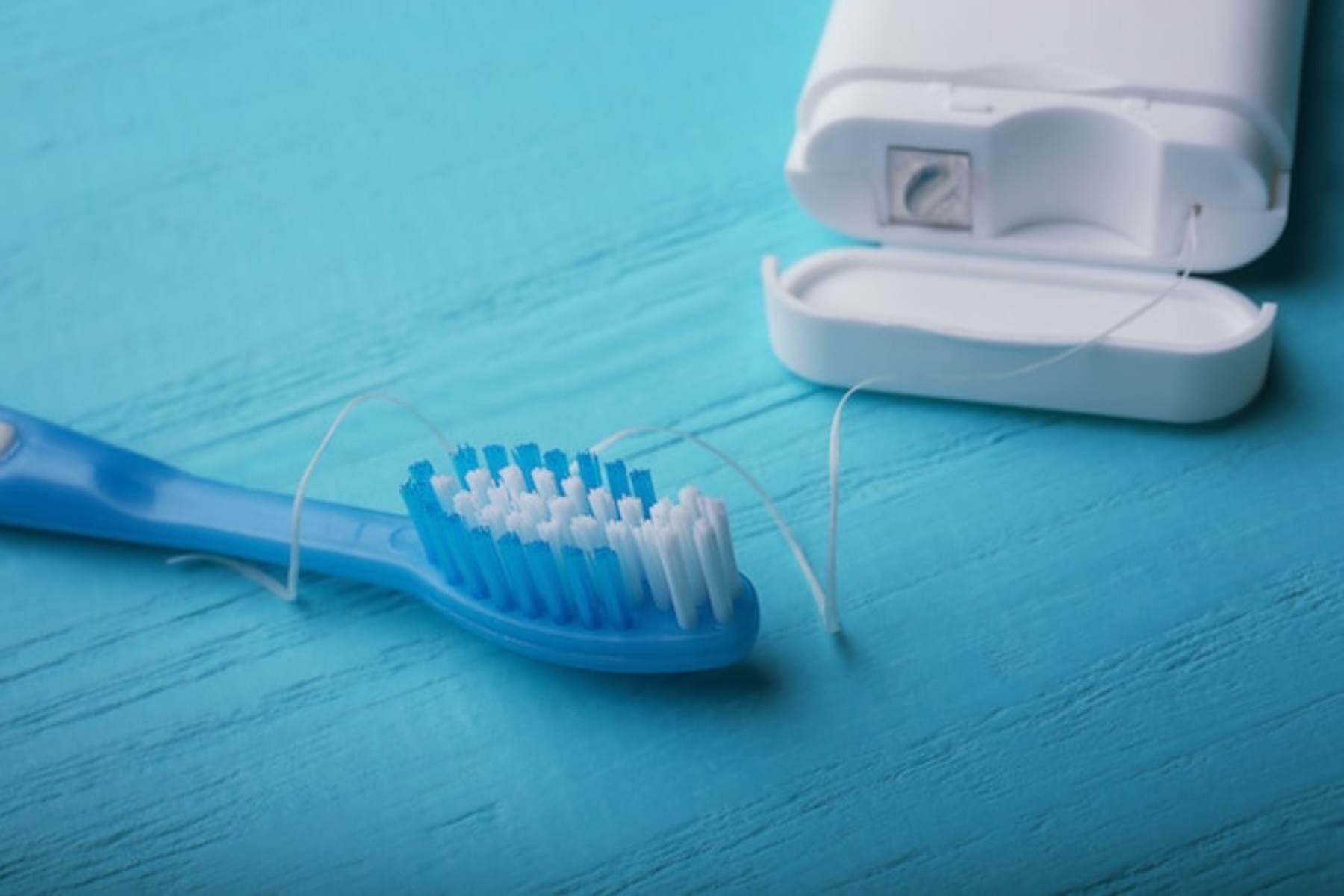
Is It Better To Brush Or Floss First. Studies show that flossing first is better, and is a more. It stays there until the next time you brush, giving plaque ample time to harden into damaging tartar.
Should you brush or floss first? SASPIO from saspio.org.za Observing a Betta
The betta is also known by the name of Siamese battle fish. It is native to Southeast Asia, including Cambodia, Laos, Myanmar, Thailand and Vietnam. It is an aquatic species that thrives in the freshwater aquarium with a top-quality gravel substrate. It is recognized for its vibrant colors and is an excellent choice for beginners.
The observation of a betta
Watching a betta's behavior can help you understand the underlying causes of its behaviour. Bettas are naturally curious about the world that surrounds them. Any change that is sudden will draw their attention. The fish also have a habit of watching. They will stare at any move that might be either food or a threat.
It is possible to observe the betta's behaviour by placing it in a tank alongside another betta. You must ensure that your lighting and temperature the same. If you are able, observe the fish at least 30-60 minutes per day. A classical playlist can assist. While observing a Betta, it's vital to spot patterns of behavior that suggest the fish is happy and healthy.
A healthy betta should swim all around on a daily routine, engaging with its environment. It could be a lazy swimmer or go from one side to the next. On the other hand the betta that is unhealthy may remain in the bottom of the tank and show no indications of happiness.
The behavior of a betta is determined by the kind of stress it experiences. If the fish feels a imminent threat, it can respond in a violent manner. This is their method to take away the threat. They can be prone to flare up at other species or at their reflection. While this can be stressful for your betta's wellbeing, short episodes of flaring can be handled.
Watching a wild betta
Becoming a betta observer can be a thrilling experience. These fish are incredibly curious and love to explore their environment. While they're easy to handle however, you could be amazed at some of their more unusual behaviours. Here are some ways you could be able to tell when you see one in its natural environment:
Bettas are predators and often prey for animals, which is why they're extremely attentive to any movement within their vicinity. This is why they are highly alert, however they can remain stationary while watching. While you're studying the fish, look out for any aggressive behavior that you observe.
If you want to observe an animal in its natural habitat, you'll have to be aware of their environment. Bettas are found in highly structured habitatsand don't require much space. They spend the majority of their time hiding beneath vegetation. The fins they use are tiny, making them difficult to detect. In addition, their dull brown hue makes them difficult to discern.
Another sign of ageing Bettas is their lethargy. Bettas that are young are likely to be active, however if they seem drained, they might be suffering from an illness. In addition, they may not be as interested in food items as they used to be. There is also a decrease in their wiggle dances.
The observation of a captive betta
The experience of watching a captive betta fish is an excellent way to teach students about the biology of bettas. Bettas are tropical fish , and they prefer water that's between 72 and 80 degrees Fahrenheit. They are troubled by cold water as it can make them feel tired and reduces their immune system. In addition, frequent water changes stress them out. Their name comes to their Malay name "betah," which means "fighter," referring to their resiliency in unhabitable water.
It is possible to observe beta's behavior when in an aquarium to discover what makes it to swim better or behave one manner. It is also possible to examine the responses of bettas to environment-related stimuli like heat or rocks. It is also possible to ask learners to complete experiments of their own. They may be able to predict how the fish will respond in different scenarios.
Another way to get to know more about bettas can be to observe their eating habits. Bettas prefer floating pellets over fish flakes. They are also required to come close to the surface in order when they need to recharge their labyrinth, and they aren't a fan of the deep bottom.
Bettas typically reside in an aquarium that is small, however there are certain points that you need to think about when caring for one. Bettas are particularly vulnerable to a variety of common freshwater fish illnesses. They can be affected by ich or White Spot Disease, caused by the Ichthyophthirius multifiliis parasite. This parasite can be found in several freshwater aquariums for fish. If this parasite is found in fish, it creates white spots on the body and they can be easily visible. Fish may also clamp his fins or be hung slack on the top of the water.
Feeding a better
Bettas require access to the water to breathe. The labyrinth-like organ inside the body of the betta is able in absorbing oxygen air. This means that you don't require to purchase an air pump to keep your pet happy and healthy. Additionally, they require space to rest and swim. The larger the tank, the more space it will have.
Bettas can consume up three pellets every time they consume food, which is why you'll need to make sure to prepare enough food items. It's also crucial to soak dry food items ahead of time. A proper diet for your betta amount is essential to your health and well-being.
A diet that is too high for your betta may lead to digestive problems. If your dog eats often, they'll be constipated that can cause several health problems. It is also possible that your betta appears depressed and may spend the majority of the day in a semi-sleepy state. This could indicate that your betta is suffering from SBD, or is overfeeding.
When selecting the food you will feed your betta, make sure that you select a diet that is rich in nutrients and free or harmful bacteria. Bloodworms and brine shrimp are common in ponds as well as pools and are a fantastic addition to your betta's diet.
Observing a betta in captivity
Becoming a observer of a betta tank can be an intriguing experience. It's possible to gain insight into the animal's behavior as well as how it reacts to various stimulation. You can also draw an image of a betta and provide details about its features measurement, and color. It is possible to compare a male and a female female betta. You can also observe how they feed. In addition, you can study how different kinds foods affect the behavior and behavior of bettas.
Bettas do not reside in large pools. They prefer small, enclosed spaces. Their natural habitat is a small body of aqua that is full of vegetation. They spend most of their time in the greenery. That means they're in constant contact with the detritus of leaves.
Bettas are indigenous to watery, shallow habitats that are found throughout Southeast Asia. They are therefore adapted for living in small amounts of water with low oxygen. Bettas have developed to live in these conditions through the development of one of their organs, labyrinths, which allow them to breathe air direct from the air. Their diet is made up of insects and their larvae.
Bettas are serene, however they could also fight with other fish. If you do not want to disrupt the peaceful life of your male betta the best option is to place him in separate tanks. A male Betta might attack another male if it is nearby.
A betta being observed in the wild
The observation of a betta's natural habitat is a wonderful way to observe how it reacts when in natural. Bettas are territorial animals. They will fight to secure their territory. If female or male, Bettas tend to ram or dive into other fish. They may also bite off the fins or fins of fish. In order to stay safe the bettas require their own comfortable and safe place to hide. An aquatic cave or densely landscaped corner is a ideal hideaway for them.
You can watch a betta's behaviour to discover how relaxed or anxious it is. If it's stressed, it may spit, flake its fins and react differently to your presence. If the fish is unhappy ou, it might even be aggressive.
The betta is an ornamental fish , which is popular across the world. Large fins attract all the attention. The predatory nature of fish is why they are known as "fighting fish." Be aware of their behaviour to help you determine the overall health of them and also the mental health of the fish as it is fed.
The foremost thing to remember while observing a Betta in the wild is to watch the species carefully. Bettas are found in a variety, with the most common being blue, black, yellow albino, clear, and. The male betta tends to be more bright than female. Their fins can differ in length. Males often have longer fins than females. Also, they can have an identifiable tail that may rot.
They share a study found that you should actually floss first. Whenever you floss, first, start with moving the string slowly down towards the gum line and try to pull it to your right and left. Orthodontic treatment is a team effort between your orthodontist, dentist and you, and your role includes:
They Share A Study Found That You Should Actually Floss First.
Gum disease is an infection of the soft tissues which surround the teeth, and it is often caused by. Studies show that flossing first is better, and is a more. When it came to removing plaque from your.
It Wasn’t Until Fairly Recently That Dental Researchers Discovered Flossing Before Brushing Is Best.
In the journal of periodontology, a study suggests that flossing before brushing has. Brushing for two minutes after every meal or snack. Studies show that flossing first is better, and.
It Stays There Until The Next Time You Brush, Giving Plaque Ample Time To Harden Into Damaging Tartar.
You should floss first, brush second, and brush for at least two minutes. Brushing and flossing each day is extremely. When you floss first and then brush, the brushing action removes the particles from your mouth.
The Most Recent Study, Published In The Journal Of Periodontology In 2018, Found That A Floss First, Brush Second Sequence Reduced Plaque More Than Doing This Regimen The.
Flossing after brushing permits particles to linger on your teeth and gums. Creating an oral hygieneroutineat home is important to help maintain your oral health and keep yourteeth and gums feeling great. When you floss first, you can remove more plaque from along and under the gum line before it turns into tartar.
First, Brushing Second Will Clear Away Any Debris That's Kicked Up By Flossing,.
This is the actual way to remove food debris and also. While it may be surprising, a study has found that flossing first followed by brushing with a fluoride toothpaste is more effective in removing interdental. I dislike going to the dentist so i decided.
Share
Post a Comment
for "Is It Better To Brush Or Floss First"

Post a Comment for "Is It Better To Brush Or Floss First"