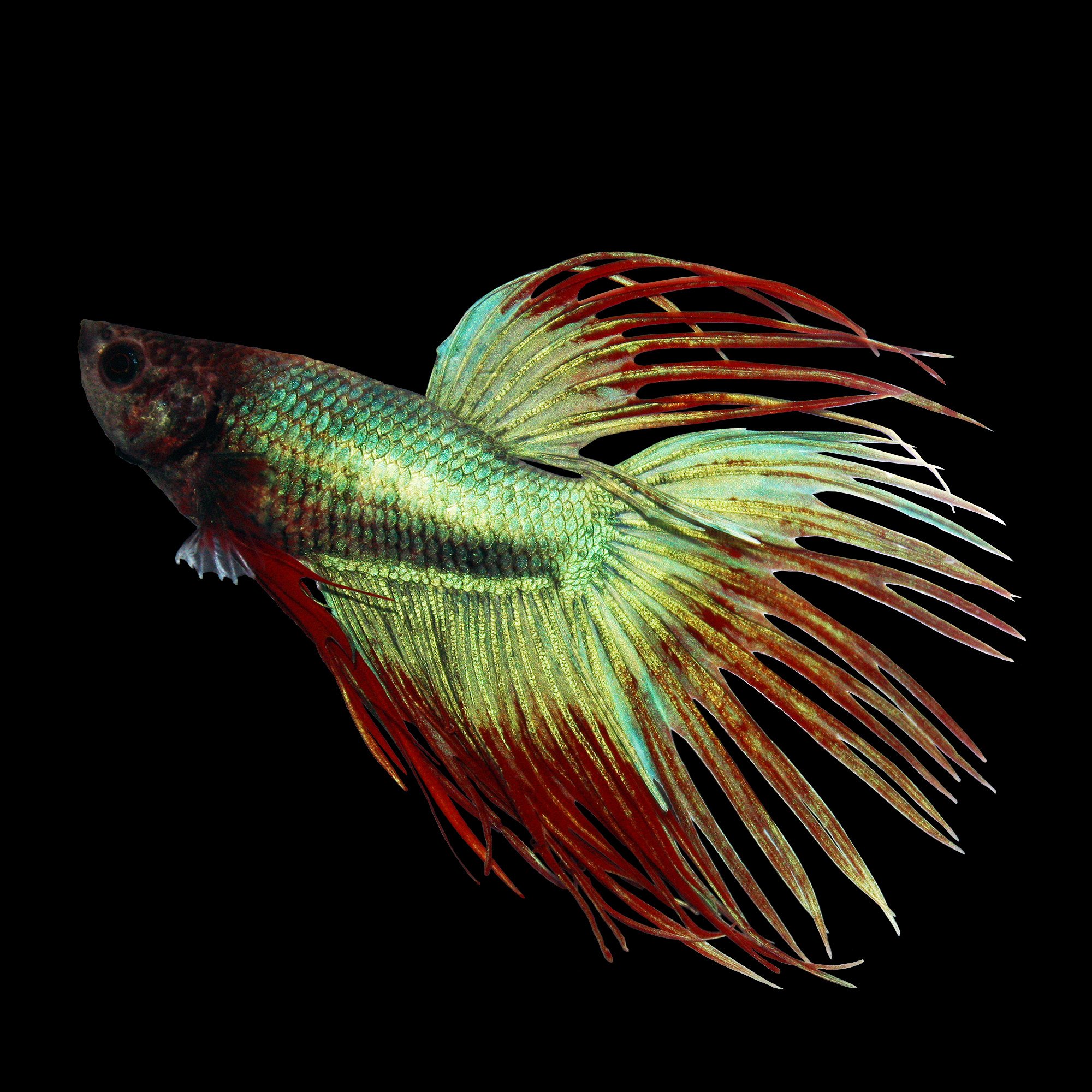
Crowntail Betta For Sale. Your live fish may not match the image shown due to natural variations in each species. The average size of a crowntail betta is about 2.5 inches from the snout to the tip of the tail.
Green Male Crowntail Betta Petco from www.petco.com Observing a Betta
The betta is also referred to for its role as the Siamese combat fish. It's native to Southeast Asia, including Cambodia, Laos, Myanmar, Thailand, and Vietnam. It is a tropical fish that is suited to water that is fresh and has a good quality gravel substrate. It is known for its vibrant colors and is perfect for beginners to keep in their aquariums.
Watching a betta
When you observe a bet, it can help in understanding the nature of its behavior. Bettas are naturally attracted to the world around them. Any sudden change in the environment will attract their attention. Fish also have a habit of staring. They'll look at any behavior that could indicate hungry or even a predator.
It is possible to observe a betta by placing it in a tank with another betta. You must ensure that both the temperature and level of lighting the same. If possible, try to monitor the fish for 30-60 minutes each day. Classical music can assist. If you're watching a betta it's vital to spot behaviour patterns that show that the fish are content and healthy.
A healthy betta should swim throughout the tank on regular on a regular basis, making contact with its environment. It might be a lazy swimmer or go from one side to the other. However an unwell betta could remain at the bottom the tank, and not show indicators of happiness.
A betta's behavior is determined by the type of stress it faces. When the fish senses a threat, they might respond vigorously. This is their way to eliminate the threat. The betta may even flail at other animals, or even at their reflection. While this can be stressful for your betta's health, brief episodes of flaring can be handled.
Observing a wild betta
Watching a wild betta in the wild can be a fascinating experience. These fish are extremely curious and will explore their environment. Although they are simple to care for and maintain, you might be surprised by their most unusual behaviors. Here are some indicators you might notice when you encounter one in its natural environment:
Bettas are predators and frequently prey of other animal species, making them extremely alert to any movement about them. This means they are always alert but can be unable to move while watching. When you're observing the aquarium, keep an eye out for any aggressive behavior that you observe.
If you want to observe the wild betta, then you'll need to know their environment. Bettas live in heavily structured environments, which means they don't require much space. They prefer to spend most of their time hiding in vegetation. Their fins are small, making them difficult for us to discern. Furthermore, their muddy brown color makes them difficult to recognize.
Another important symptom of aging Bettas' is lethargy. Bettas who are young must be active, however, if they seem lethargic, they may have signs of illness. Furthermore, they might not be as interested in food items as they used to be. There is also that they are less animated in their dances.
Being a spectator of a captive beta
Inquiring about a captive betta can be an excellent way to educate students about the biology of bettas. Bettas are tropical fish that favor water that's between 72 and the temperature of 82 degrees. They are troubled by cold temperatures because it makes them feel tired and reduces their immune system. In addition, frequent water changes stress them out. Their name originates through their Malay expression "betah," which means "fighter," referring to their resilience in water that is unsuitable for human consumption.
It is possible to observe beta's behavior within an aquarium to determine what causes it be more comfortable or behave in some way. It can also be studied the reactions it has to various external stimuli, including weather changes or rocks. It is also possible to ask for your pupils to perform experiments of their own. They could make predictions on how fish react in different situations.
Another great way to learn about bettas is by observing their eating habits. Bettas prefer floating pellets over fish flakes. They also require coming up to the surface for replenishment of their labyrinth, and they do not like an aquarium with a very deep bottom.
Bettas are usually housed in an aquarium that is small, however there are certain aspects to be aware of when taking care of one. Bettas are very vulnerable to a variety of common freshwater fish illnesses. Some of them are ich. White Spot Disease, caused by the Ichthyophthirius multifiliis parasite that is present in a number of freshwater fish tanks. If this parasite is found in a fish, it causes white spots on its body which can be seen. The fish may also clamp its fins or hang in a trance on the surface of the water.
Feeding a betta
Bettas need access to the water in order to breathe. A labyrinth gland on the body of the betta is able to draw oxygen from air. This means you don't need to buy an air pump to keep your betta happy and healthy. They also need space to rest and swim. The bigger the tank the more space it will have.
Bettas can consume up 3 pellets per meal. take a meal, so it's important take care to prepare enough food. It is also essential to soak dry food items ahead of time. Be sure to feed your betta in the right amount is essential to its health and overall well-being.
If you feed your betta too much, it can cause digestive issues. If your betta's food intake is too much, they'll get constipated and could cause many health issues. Your betta might also appear lethargic and spend much of the time in a semi-sleepy state. This could mean that your betta is suffering from SBD or is overfeeding.
If you're deciding on the type of food to feed your betta, be sure to find food that is high in nutrients and free from harmful microbes. Bloodworms and blood shrimp are common in ponds and pools and are a fantastic food source for your betta.
Believing in a betta
Being able to observe a betta's behavior in its tank can be an interesting experience. There is a wealth of information about the animal's behavior and the way it responds to situations. You can also sketch images of a Betta as well as describe its features, dimensions, and colors. You can contrast a male and a female betta , and examine the way they feed. In addition, it is possible to be able to observe how various types of food influence the behavior of bettas.
Bettas are not found in large swimming pools, however they are more at home in small, enclosed spaces. Their natural habitat is a small body of the water that is filled with vegetation. They spend the majority of their life hiding within the vegetation. They are therefore in constant contact with dirt and leaves.
Bettas are indigenous to watery habitats that are shallow found in Southeast Asia. This means they are used to being in small quantities of low oxygen water. Bettas have developed to live in these situations by developing a special organ, called the labyrinth. This organ allows them to breathe direct from the air. Their diet is based on insects as well as their larvae.
Bettas can be serene, however they could engage in battles with other fish. If you don't want to disrupt your male Betta's peaceful lifestyle and peace, you must put them in separate tanks. A male Betta may attack another male, especially if it's near.
Watching a betta move in the wild
Monitoring a betta's natural habitat is a great opportunity to observe how it responds to wild life. Bettas are territorial animals. They will fight to establish their territories. Whichever gender, Bettas tend to ram or take on other fish. They may also eat the fins on other fish. To be secure the bettas require their own comfortable hideout. A cave for swimming or a established corner could be a excellent spot for them.
It is possible to observe the behavior of a Betta to find out how happy or stressed it is. If it is stressed, it'll spew, flake its fins, or in other ways react to the presence of you. If it is discontent or bored, it may even become aggressive.
The betta is an ornamental fish that is popular throughout the world. The large fins are sure to draw people's attention. The aggressive nature of fish makes them the so-called "fighting fish." Monitoring their behavior can help you determine their overall health condition and the psychological state of any fish you see fed.
The most important thing to keep in mind when looking at a betta the wild is to watch the species closely. Bettas are found in a variety that are most commonly being black, yellow, blue albino, clear, and. The male Betta is generally brighter than the female. Their fins aren't the same length. Males often have bigger fins than females. They can also sport an identifiable tail that may become rotten.
The fish depicted in the picture. Jv betta ships premium exotic betta fish worldwide. Contact your local transhipper to deal with shipping on your side and let us know.
We Are A Family Of Betta Fish Breeders From Thailand.
We do breeding provide for both retail and wholesale, online betta fish for sale shop, and fish exporting services. Contact your local transhipper to deal with shipping on your side and let us know. Crowntail betta (betta splendens) $ 6.99.
Individual Betta (Fighting Fish) Lots Will Be Posted In This Section For Purchase To Enable Quick &.
Probably the single most popular fish kept around the world, the betta or siamese fighting fish has been popular in its native thailand for. We currently only accept paypal. Crowntail bettas are one of the most common species of betta fish and are colloquially referred to simply as bettas, or their behavioral name, siamese fighting fish.
Individual Betta (Fighting Fish) Lots Will Be Posted In This Section For Purchase To Enable Quick & Easy Selection Of Your Dream Fish.
The water in a betta tank is crucial to the health of your fish. Your live fish may not match the image shown due to natural variations in each species. Betta clerance sale 40% off.
Crowntail Betta (Ct) Betta Fish Female Ct Black On Fire $ 61.99 $ 51.99.
Live betta fish fancy deep sky blue orange dragon crowntail. Choose your fish and checkout for payment. Or best offer +$5.00 shipping.
3 Easy Steps To Buy Betta Fish Online From Thailand With Bettapal.
The average size of a crowntail betta is about 2.5 inches from the snout to the tip of the tail. We breed high quality betta fish for sale and. 0 bids · time left 3h 39m left.
Post a Comment for "Crowntail Betta For Sale"